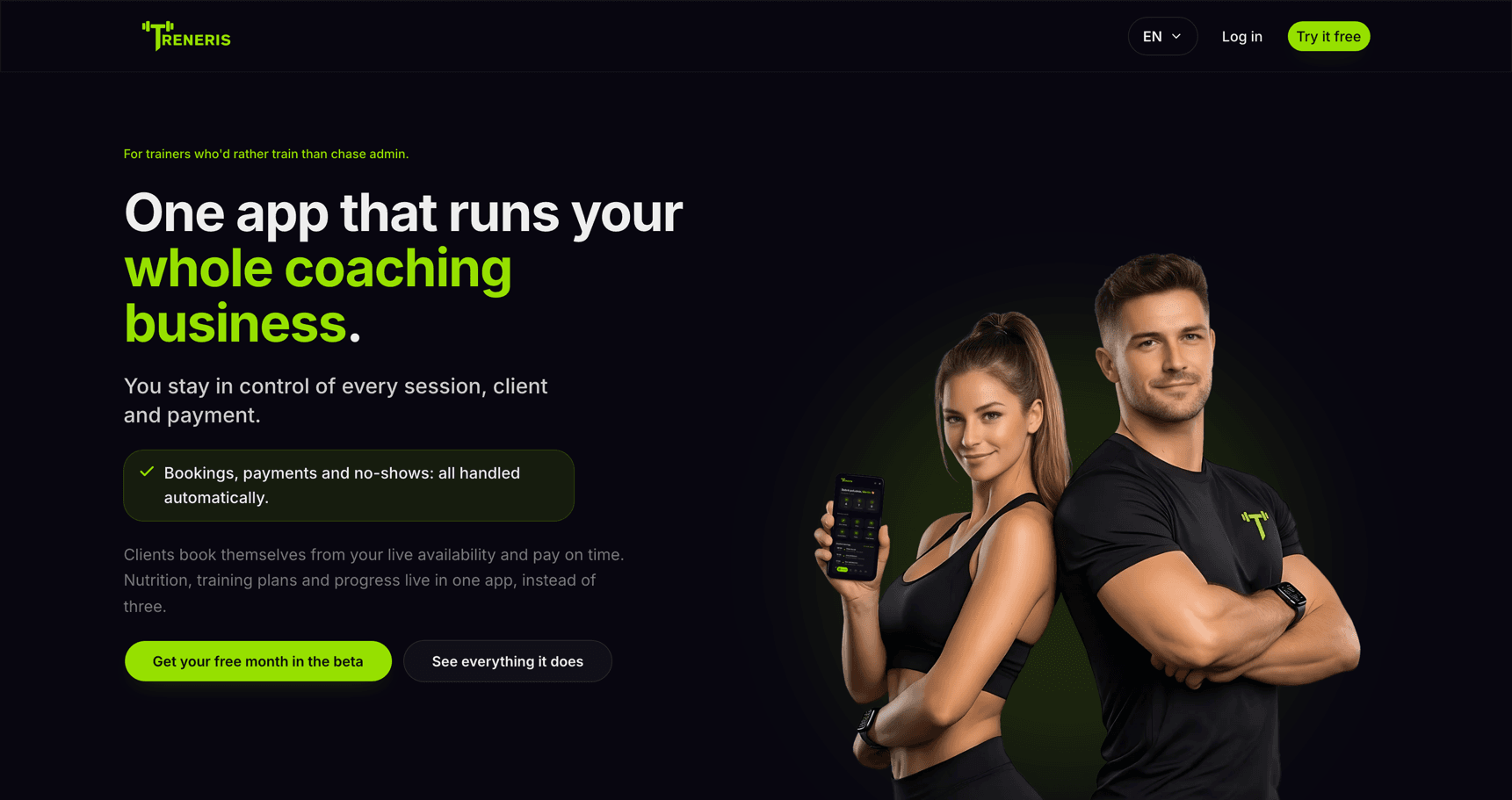
SaaS · Coaching operations
Treneris
A single system a personal trainer runs a whole practice from, instead of a spreadsheet, a chat thread and a payment app.

Products built with AI Augmented Methodology
This is what a company looks like when the delivery work runs on agents. Two founders. Four products shipped and running. An internal agentic platform of orchestrators, subagents, skills and hooks, with a human gate on everything that matters.
2 months
from idea to production, on Treneris
What we build
SaaS · Coaching operations
A single system a personal trainer runs a whole practice from, instead of a spreadsheet, a chat thread and a payment app.
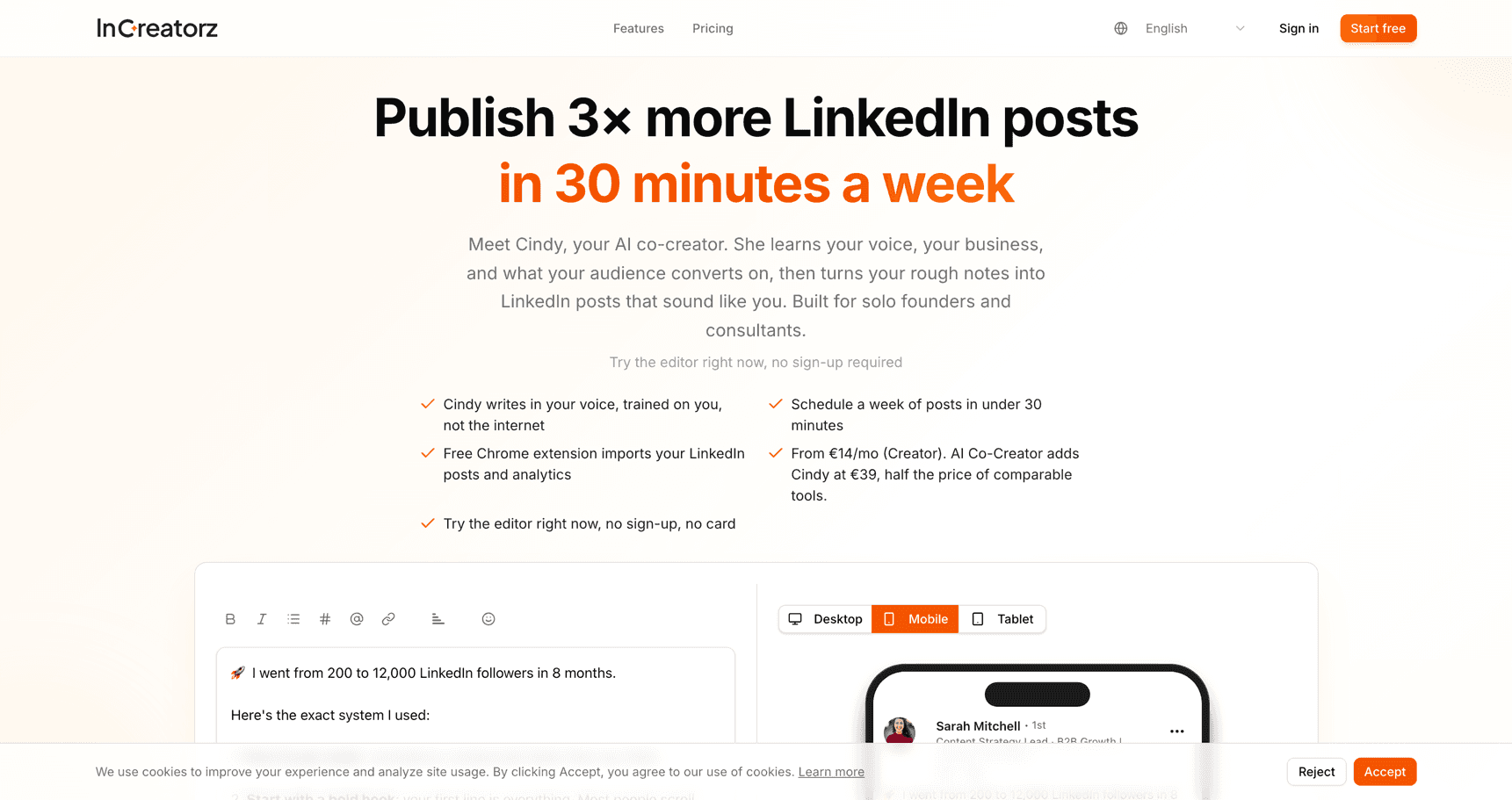
SaaS · Creator tooling
Everything a LinkedIn creator does in a week, moved out of a dozen browser tabs into one workspace with its own browser extension.
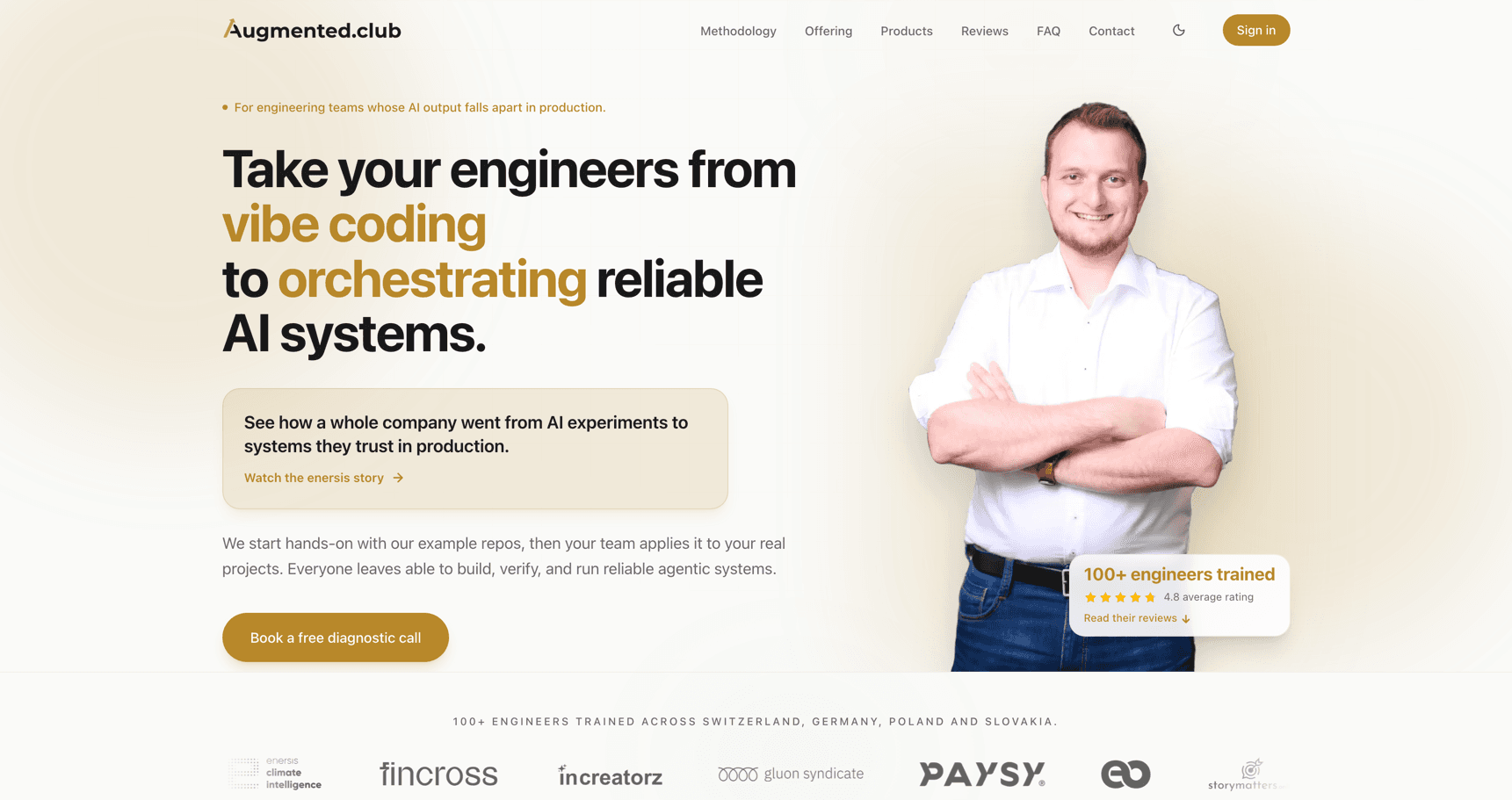
Platform · Learning delivery
The platform our own programs run on, built because no off-the-shelf tool could keep a room of engineers in sync with what was on screen.
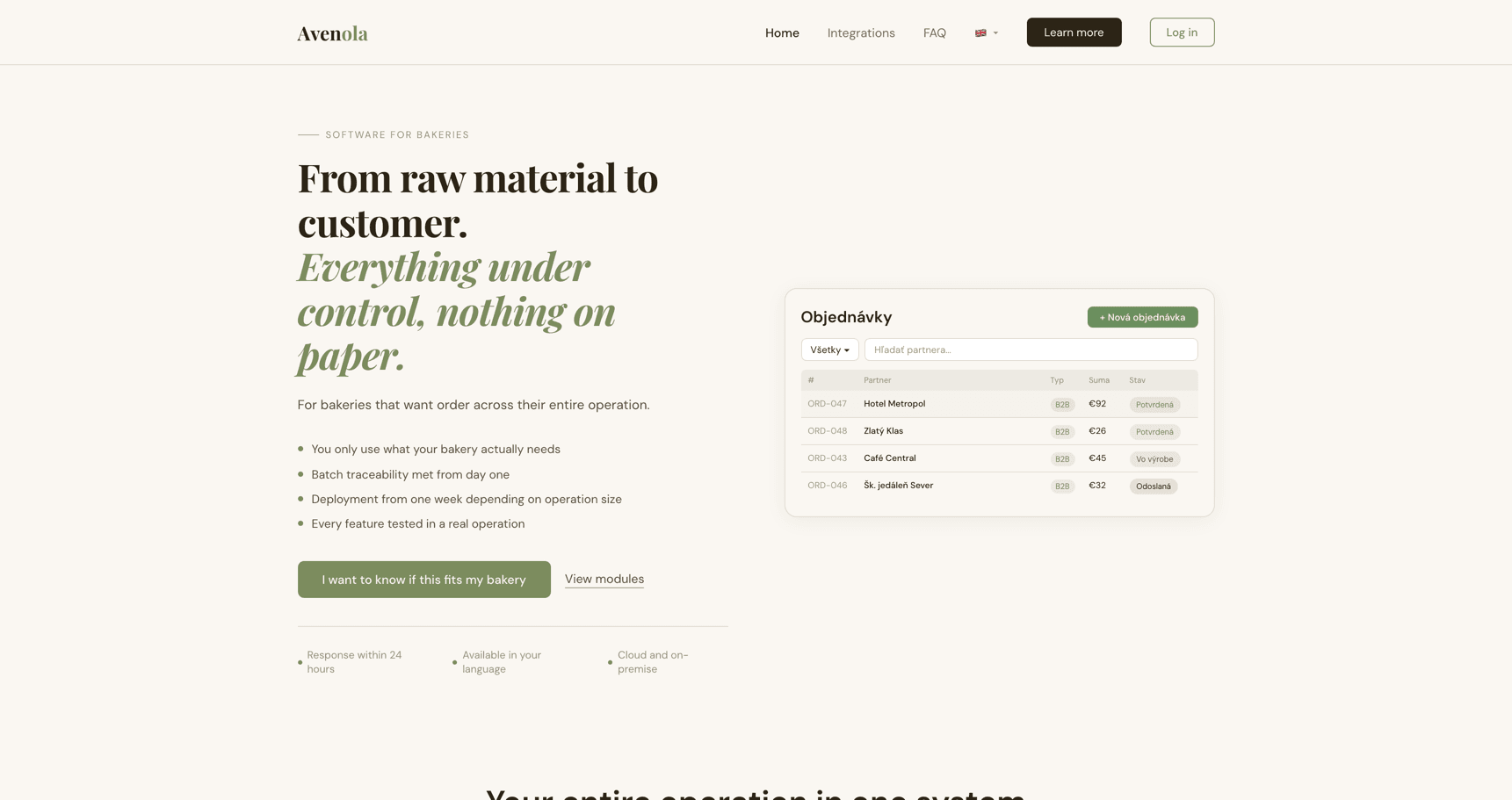
SaaS · ERP TAILORED FOR BAKERIES
Production planning for bakeries running more than one site, where a missed batch and a failed compliance record cost the same money.
How we build
The method we publish
This is the part that is genuinely ours: not a tool, but the operating model around it. We publish it in full, and it is what augmented.club teaches.
Every role
not only engineering, which is why it compounds
Learn how we do it
NodeonLabs builds. Everything about learning the method, including what it covers and what it costs, lives on augmented.club.
Bring an engineering organisation to the point where its own people build and run this.
For teamsLearn the method as an engineer or a professional, on your own time and your own repository.
For individualsUse the method to take something of your own from an idea to a running product.
For buildersWho builds it
The engineers who designed the agentic platform are the ones who ship on it, on every product listed above.

Founder
Architecture and agent design
Twelve years in professional software, eight of them leading engineering teams for enterprise clients, most recently as CTO of a Swiss company. Owns system architecture across the four products and the agentic layer above it: retrieval systems, agent design, and the orchestrators that carry a change from a written intent to a reviewed pull request.

Founder
Delivery and platform engineering
Ten years as a full-stack engineer delivering complex systems for Swiss enterprise clients. Owns delivery across the stack and the parts of the platform that decide what runs unattended: the subagents, the verifiers that every change has to pass, and the hooks that stop work before it can reach production unchecked.
The surest way we find a problem worth building for is a domain partner who lives inside it, which is why some of our products are built with one.
How that works